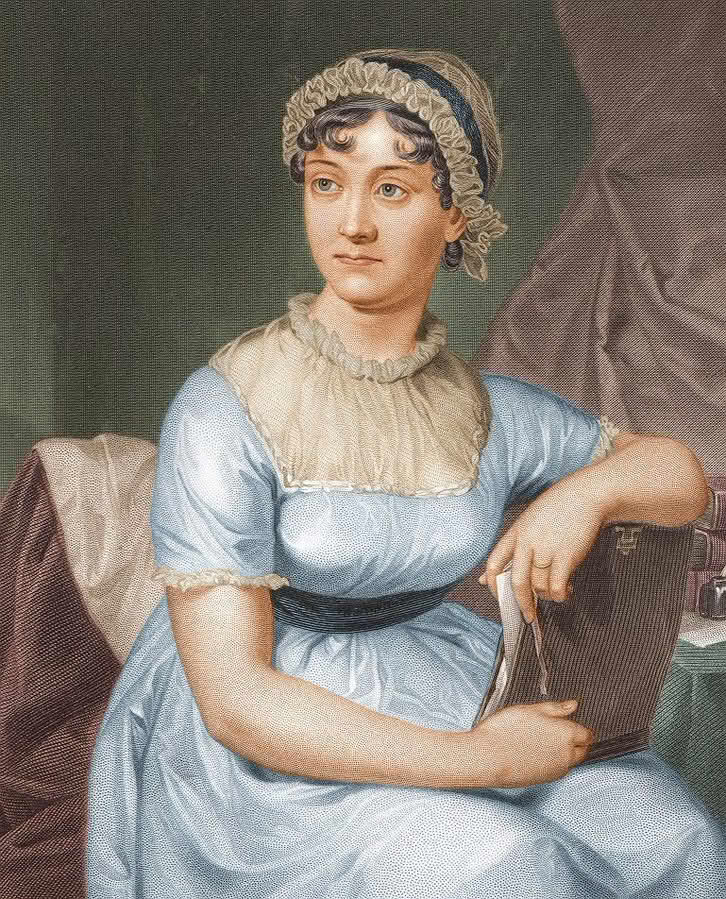
About Jane Austen
Jane Austen (1775–1817) is one of the most consequential novelists in English. In the space of six finished novels and a body of juvenilia, letters, and unfinished work, she helped invent the modern novel, bringing free indirect discourse into mature use, structuring whole books around a heroine’s misperceptions, and turning the courtship plot into a vehicle for serious moral, economic, and political thinking.
Born in Steventon, Hampshire, the seventh of eight children of a country clergyman, Austen lived most of her life inside a tightly intertwined family network, collaborators, copyists, readers, and critics. Her novels were published anonymously (“By a Lady”) in her lifetime; her name appeared on her books only after her death.
For 2027, anchored by the convention theme of technê, Austen’s craft is the case study: free indirect discourse, structural irony, psychological realism, and the things only a writer’s hand can do. Programming is led by Dr. Devoney Looser.